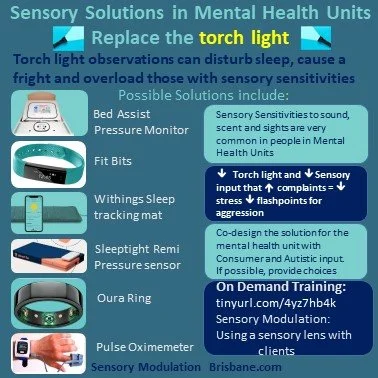
Using alternatives to torch light monitoring in Mental Health Units
This blog will outline some of the challenges involved in using torch light to observe clients in mental health units at night and also provide some alternative options.
What are observations in mental health units at night?
Part of routine mental health care on mental health units is regular observations of people while they are sleeping/lying in bed. These routine observations are undertaken due to their perceived benefit in ensuring safety and wellbeing and to reduce the risk of suicide or severe harm. Nursing staff may need to complete observations up to 4 times per hour overnight and torch light is frequently used.
Veale et al (2019) researched the lived experience of these observations and found that these observations interrupted sleep through the torch light, sounds of staff opening and closing bedroom doors and staff talking to each other. People also reported that they found having somebody enter the room in the middle of the night intimidating and unsettling. For many people, this interruption can then make it difficult to return to sleep.

Using your senses for self-care
Self-care is increasingly identified as a foundation for physical and mental health and wellbeing. It can be explained as self-directed activities a person engages in with the goal of moving towards a more optimal level of health. Self-care activities involve general daily living tasks (such as healthy eating, getting enough sleep and regular exercise) and can incorporate additional self-initiated activities that may be viewed as relaxing (yoga, meditation), pampering (massage, facial, movie) or a social outlet (date night, catching up with friends).
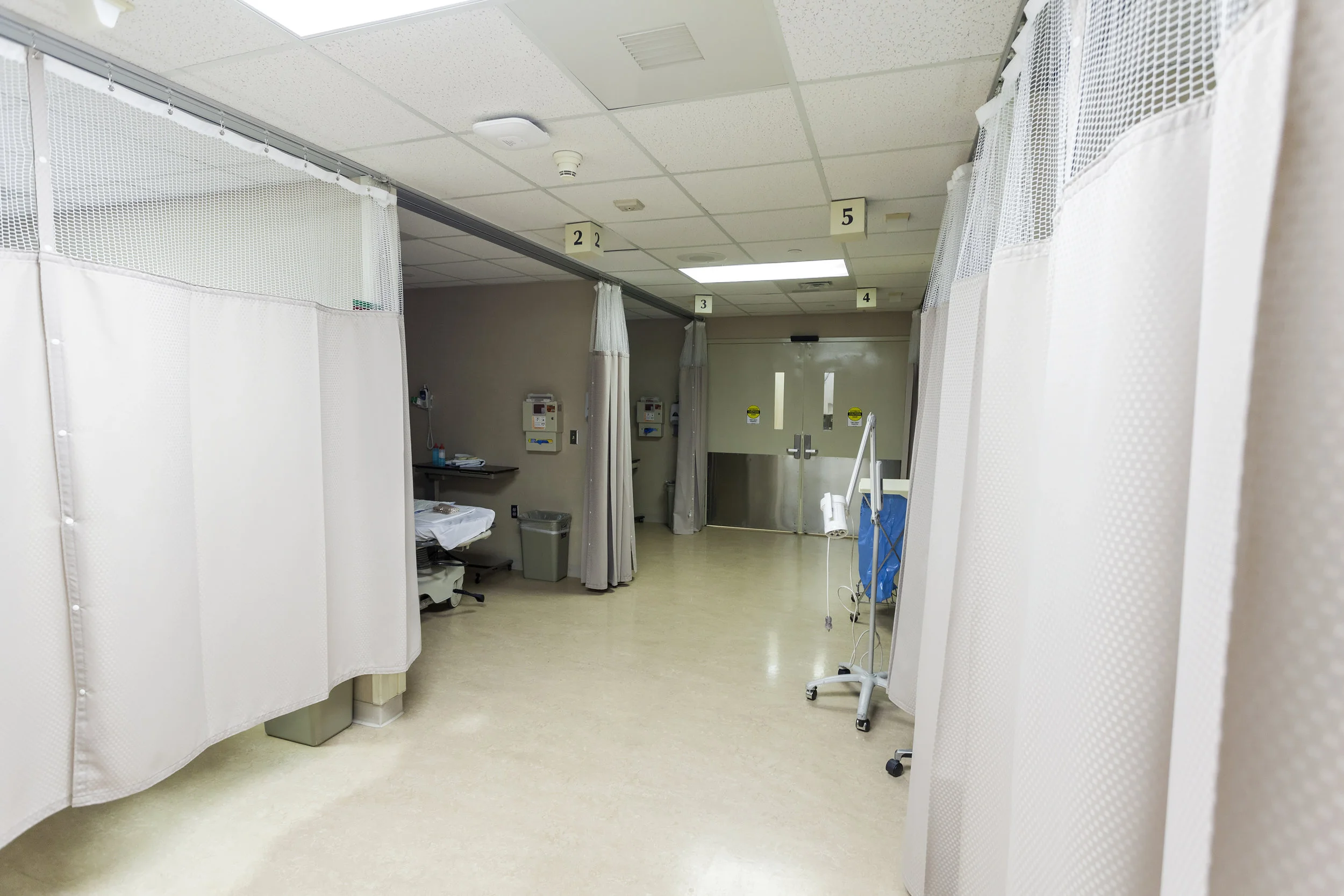
Using a Safety Tool or Personal Safety Plan in Emergency Departments or Mental Health Inpatient Wards.
Safety Tools are being found to be very useful in emergency departments and on mental health inpatient wards, as they incorporate aspects of trauma informed care and also provide some options for using sensory modulation in the hospital environment.
Safety Tools are sometimes also known as personal safety plans. Many hospitals have their own versions, developed in collaboration with consumer consultants.
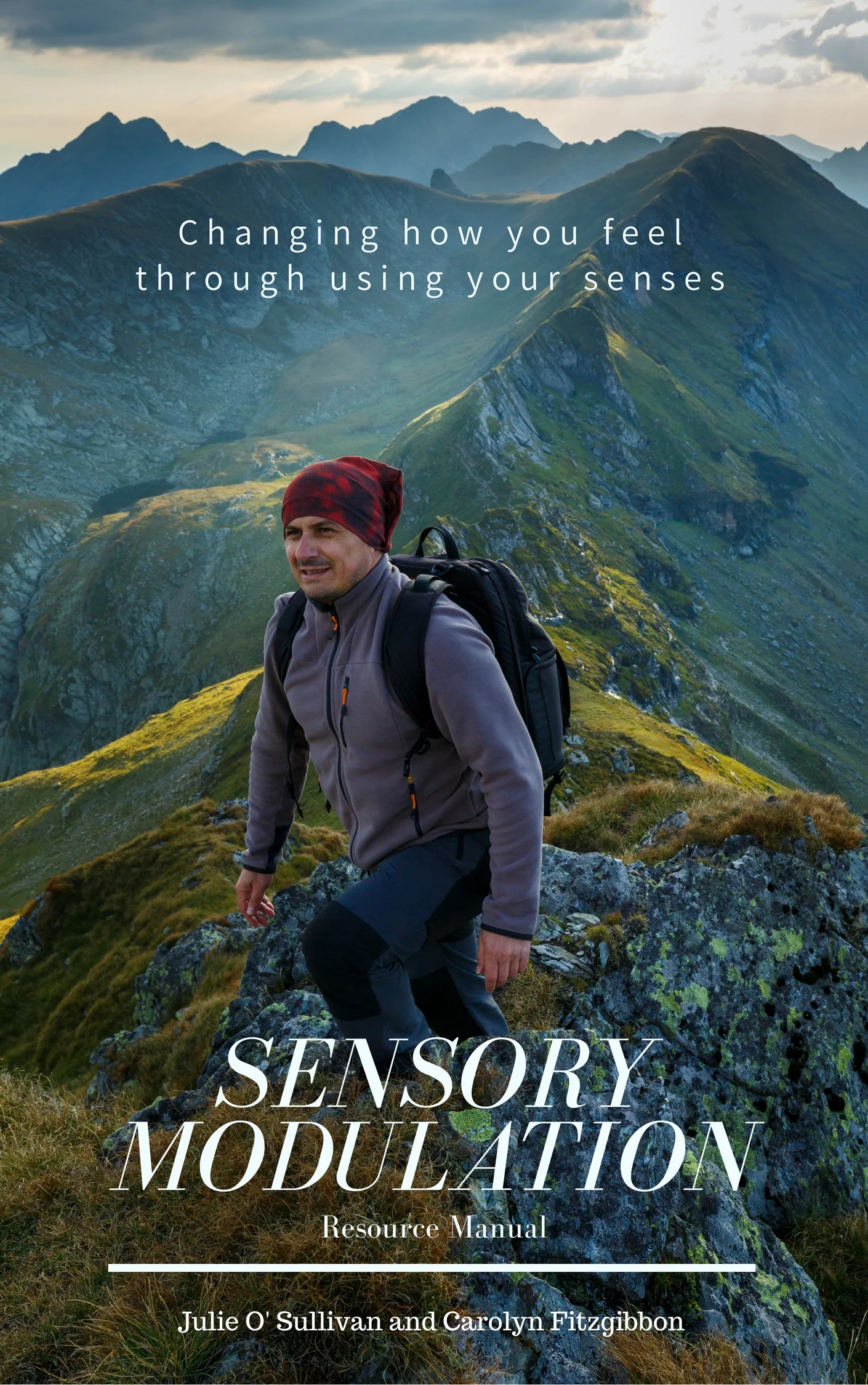
Feedback on the Sensory Modulation Resource Manual from different professional groups
The Sensory Modulation Resource Manual was published earlier in 2018 as an ebook and paperback. We have been getting some feedback from different people and professional groups about what they find useful about the book. We have had feedback from Nurses, Teachers, Occupational Therapists, Parents, Architects, Dentists, Non-Government workers and many others.
Nurses:
Clinical Nurses in Mental Health are finding that the book provides useful resources for using sensory modulation to reduce seclusion and restraint on the inpatient unit. This includes information on designing different spaces or zones within the inpatient unit for different sensory input (sensory spaces), suggestions for equipment for the sensory spaces and a guide to getting starting in using sensory modulation with a client. In June 2018, the NSW government allocated $20 million to improve therapeutic environments within mental health units. The Sensory Modulation Resource Manual is a useful resource for this project.
Teachers:
Teachers are reporting that the Sensory Modulation Resource Manual is useful in understanding the individual sensory preferences of the children in the classrooms and tailoring strategies to the individuals. The section on calming strategies has been popular, in particular using the playground for calming. High school teachers and Guidance Officers have liked the lists of strategies to improve focus, and decrease anxiety.