
A Sensory Explanation and Solution to Emotional Eating
The sensory aspects of eating and drinking (the smell of hot chips, the taste of chocolate milk, the chewing and swallowing of biscuits) may provide people with the neurological input needed to help shift how they feel. While the goal of changing negative feelings is a good one, some strategies used to achieve this (such as over-eating) may result in negative outcomes. Different sensory strategies could therefore be adopted to provide the desired sensory input, without the negative effects of emotional eating on health and well-being.
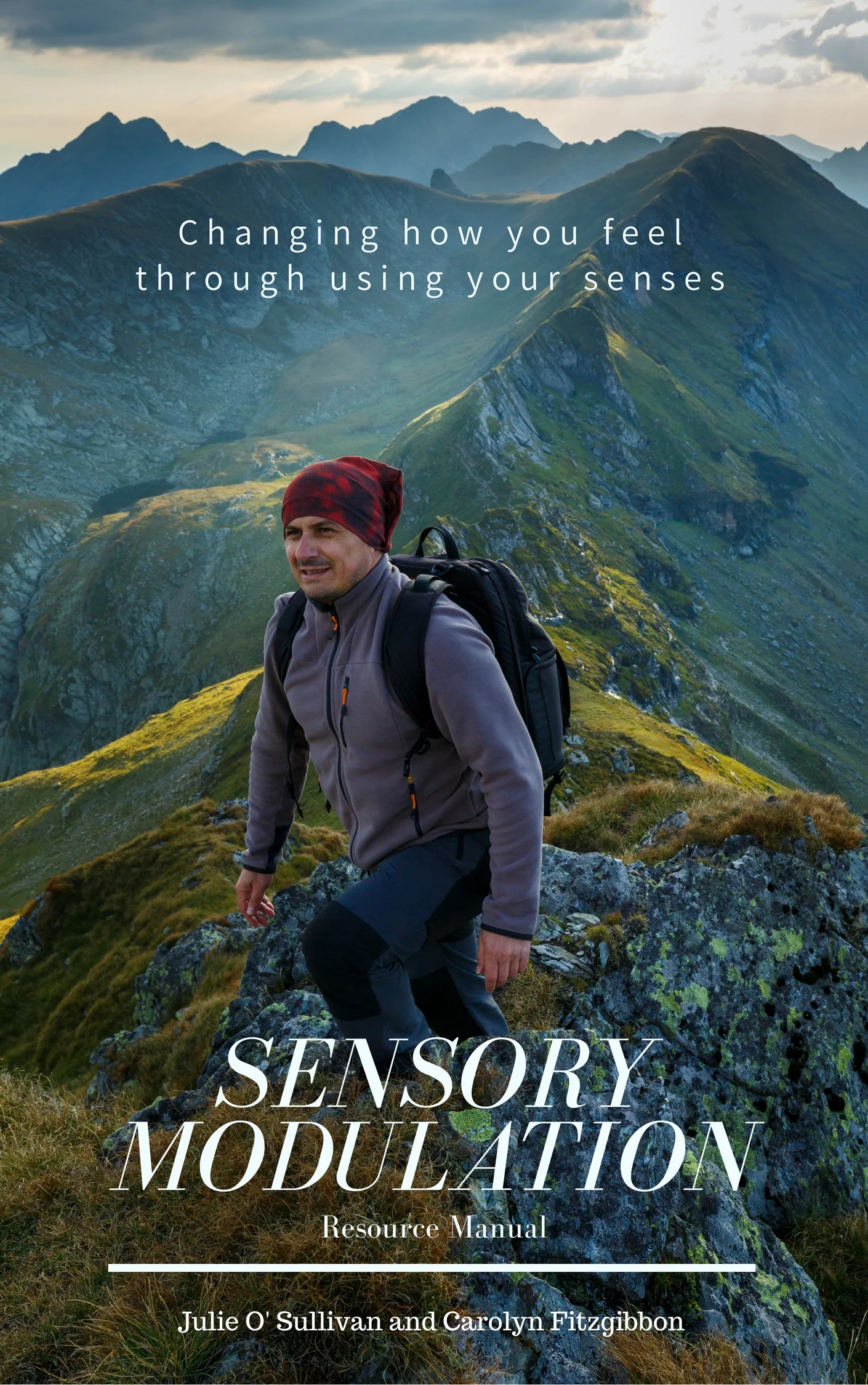
Feedback on the Sensory Modulation Resource Manual from different professional groups
The Sensory Modulation Resource Manual was published earlier in 2018 as an ebook and paperback. We have been getting some feedback from different people and professional groups about what they find useful about the book. We have had feedback from Nurses, Teachers, Occupational Therapists, Parents, Architects, Dentists, Non-Government workers and many others.
Nurses:
Clinical Nurses in Mental Health are finding that the book provides useful resources for using sensory modulation to reduce seclusion and restraint on the inpatient unit. This includes information on designing different spaces or zones within the inpatient unit for different sensory input (sensory spaces), suggestions for equipment for the sensory spaces and a guide to getting starting in using sensory modulation with a client. In June 2018, the NSW government allocated $20 million to improve therapeutic environments within mental health units. The Sensory Modulation Resource Manual is a useful resource for this project.
Teachers:
Teachers are reporting that the Sensory Modulation Resource Manual is useful in understanding the individual sensory preferences of the children in the classrooms and tailoring strategies to the individuals. The section on calming strategies has been popular, in particular using the playground for calming. High school teachers and Guidance Officers have liked the lists of strategies to improve focus, and decrease anxiety.

Using Nature 'To Change How We Feel Through Using Our Senses'.
Studies conducted over the last two decades continue to demonstrate the strong connection between nature and well-being, for example:
· Contact with ‘blue space’ (living near the ocean) is associated with reduced levels of psychological distress (Nutsford et al, 2016).
· Views of nature (ie - mountains, oceans, waterfalls, star filled skies) create feelings of wonderment and awe, altering our experience of time and increasing feelings of unity, connection, patience, and a desire to help others (Rudd, Aaker & Vohs, 2012).

Using Balance, Movement and Proprioceptive Input to Reduce Anxiety
There is growing evidence that balance, movement and proprioception (the sense or awareness of our body in space) can play an important role with managing anxiety.

Cool strategies to self regulate on a Mental Health Inpatient Unit
Mental Health inpatient units are increasingly using Sensory Modulation strategies to provide options for people to self soothe and self regulate. One strategy that many people find useful is the use of cold temperature items. This can include using ice sprays, disposable ice packs, zip lock bags with cold water, cold slushies, cold water in sinks, cold stress balls, and chill towels.

Research Ideas
At Sensory Modulation Brisbane, we have clinicians who often identify topics for research, but who are unable to research them due to time or logistical restraints. We are very aware of the need for further research on Sensory Modulation, so we are going to list ideas through blogs when we have them.


Developing new leisure, interest or sports activities
Find a leisure or sport interest to suit you

Dementia and Sensory Interventions
Sensory Interventions have been found to be effective in reducing agitation